


Key Takeaways
- Binocular vision dysfunction (BVD) means your eyes are slightly out of sync, and your brain struggles to blend 2 images into 1.
- BVD can show up as blurry vision, headaches, dizziness, or trouble reading.
- Kids, teens, and adults can all have BVD.
- An eye exam can check how well your eyes work together.
- Prism lenses and vision therapy can help manage symptoms.
Most of the time, your eyes work as a team without you noticing. When that teamwork breaks down, everyday tasks like reading or driving can start to feel harder than they should.
Binocular vision dysfunction (BVD) is a condition where your eyes are slightly out of line with each other, which makes it hard for your brain to merge the image from each eye into 1 clear picture. A comprehensive eye exam can check how well your eyes work together, and vision therapy can help them team up again.
How BVD Affects Your Eyes and Brain
Each of your eyes views the world from a slightly different angle. Your brain normally blends those 2 images into 1, and that combined view helps you judge depth and distance.
With BVD, your eyes aim at slightly different spots. The gap might be tiny, but your brain still has to work harder to line up the images. Over a full day, that extra effort can leave your eyes and body feeling worn out. You might read the eye chart just fine and still feel off during everyday tasks.
People of all ages can have BVD, so it helps for everyone in your family to know the signs.
Common Signs and Symptoms of BVD
BVD symptoms can show up in your eyes, your body, and even your child’s schoolwork.
Eye and Vision Symptoms
The first clues often appear in what you see and how your eyes feel. Look out for:
- Blurry vision
- Double vision
- Sensitivity to light
- Tired eyes during screen time
Physical Symptoms of BVD
BVD can also affect parts of your body you might not connect to your eyes. You may notice:
- Headaches
- Neck or shoulder pain
- Dizziness
- Trouble with balance
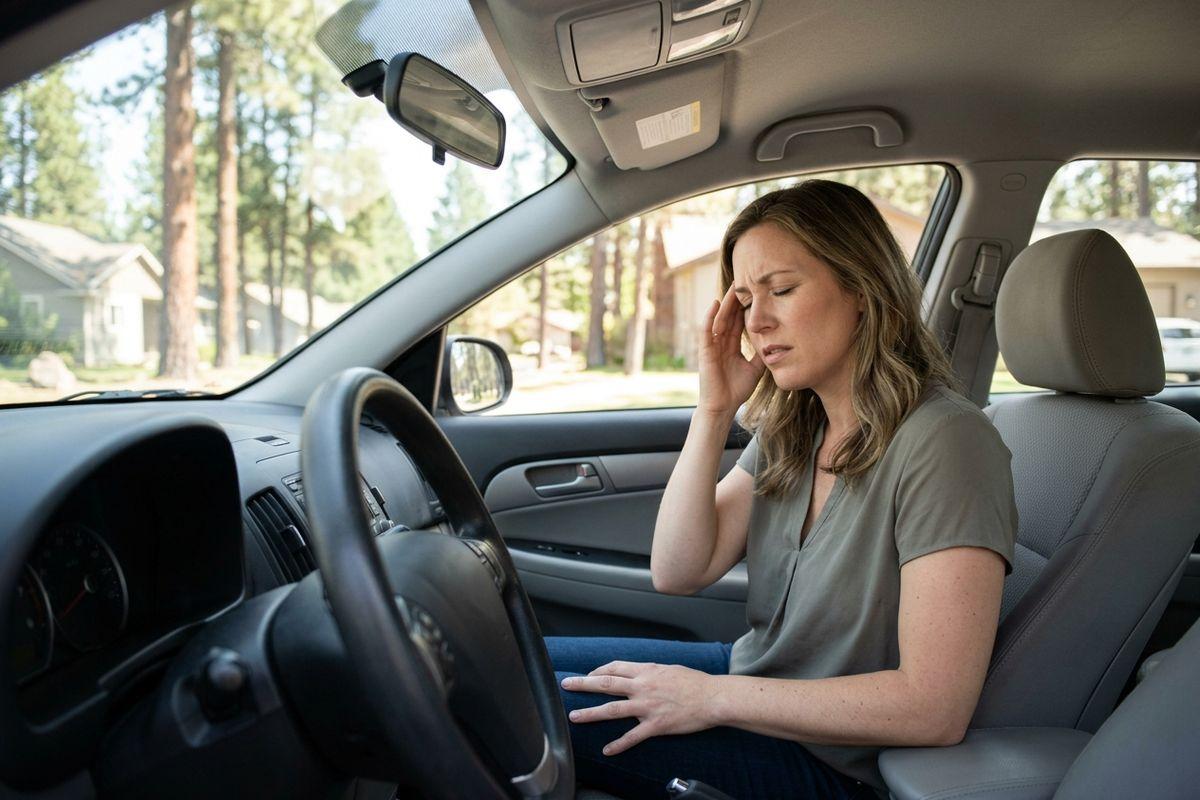
- Anxiety in crowds or while driving
Signs to Watch for in Kids
Kids often don’t have the words to describe what they see. Instead, you might spot these clues during homework or reading time:
- Skipping lines or losing their place on the page
- Saying words seem to float or run together
- Rubbing their eyes while reading
- Trouble focusing in class
BVD symptoms vary widely, so the condition often gets mistaken for other problems like ADHD, dyslexia, migraines, or inner ear issues.
What Causes Binocular Vision Dysfunction?
Several things can affect how your eyes line up and work together. Common causes of BVD include:
- Eye alignment problems like crossed eyes (strabismus)
- Head injuries, including concussions and whiplash
- Nerve or brain conditions, such as a stroke
If you or your child had a concussion and still get headaches while reading, mention it to your optometrist at your next visit.
How Optometrists Diagnose BVD
Your optometrist starts by asking about your symptoms and health history, including any past head injuries. From there, they’ll look closely at how your eyes move and work together.
During the exam, your optometrist may check your:
- Eye alignment
- Eye movement and tracking
- Ability to focus up close
- Depth perception
Some exams also include balance testing. Before your visit, jot down any symptoms you’ve noticed and when they tend to start, like headaches that come on after reading.
Prism Lenses and Vision Therapy
After your exam, the optometrist can talk you through treatment and eyewear options like these:
- Custom prism lenses to help line up the images your eyes see.
- Vision therapy to support teamwork between your eyes and brain.
Prism lenses can fit into everyday glasses, so you can still choose a style you love. Your child can choose bright, fun colors, and you can go with something sleek for work.
Why Early BVD Care Matters
For children, early care can support healthy vision development. Untreated lazy eye (amblyopia) can affect a child’s vision long-term, so book an exam if you notice any of the signs above.
Adults with BVD may assume their headaches or dizziness come from stress or a long day. Managing those symptoms can make long drives and busy workdays easier.
Book an Eye Exam to Check Your Binocular Vision
If reading or screen time leaves you or your child with headaches or tired eyes, BVD could be part of the reason. An eye exam can help you find out how well your eyes work together and which treatment could help.
The team at Integrated Eyecare offers eye exams for the whole family, along with vision therapy and care after head injuries. Book an appointment and talk with our team about your symptoms.